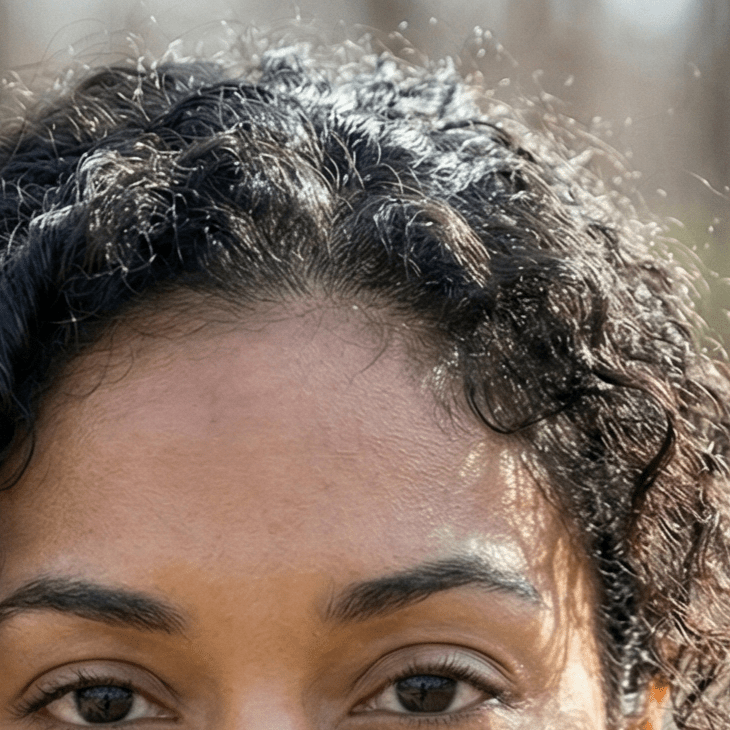
Have you been noticing more hair fall than usual? Your scalp might be trying to tell you something. Weak roots and stress-related hair fall are common issues that many people face. Understanding the root cause of these problems can help you take the necessary steps to improve the health of your scalp and hair.
What are Weak Roots?
Weak roots occur when the hair follicles are not strong enough to hold the hair in place. This can lead to increased hair fall and thinning of the hair. Weak roots can be caused by a variety of factors, including nutritional deficiencies, hormonal imbalances, and excessive styling or heat damage.
How Does Stress Affect Hair Fall?
Stress is a common trigger for hair fall. When you are under stress, your body releases hormones that can disrupt the hair growth cycle. This can lead to increased shedding and hair loss. Chronic stress can also contribute to inflammation in the scalp, further weakening the hair roots.
Signs of Stress-Related Hair Fall
Some common signs of weak roots and stress-related hair fall include increased shedding, thinning of the hair, and a receding hairline. You may also notice that your scalp feels sensitive or itchy, which can be a sign of inflammation.
-
Sudden shedding
-
Thinner temples or hairline
-
Reduced root volume
How to Improve Scalp Health
Improving the health of your scalp is key to addressing weak roots and stress-related hair fall. Start by incorporating a balanced diet rich in vitamins and minerals that support hair growth, such as biotin, zinc, and iron. Avoid excessive heat styling and harsh chemicals that can damage the hair follicles.
Managing stress through relaxation techniques, exercise, and adequate sleep can also help reduce hair fall. Consider using scalp treatments or oils that nourish the hair roots and promote a healthy scalp environment.
Best routine for stress-related hair fall:
-
Gentle cleansing
-
Scalp stimulation
-
Simplified routine
-
Address internal triggers
The Right Plan for Weak Roots
Step 1: Reduce Stress Signals
-
Improve sleep
-
Avoid crash dieting
-
Gentle scalp massage
-
Consistent, simple routine
Consult a Professional
If you are experiencing persistent hair fall or scalp issues, it's important to consult a dermatologist or trichologist for a proper diagnosis and treatment plan. They can help identify the underlying cause of your hair fall and recommend personalized solutions to improve the health of your scalp and hair.
By understanding the signs of weak roots and stress-related hair fall, you can take proactive steps to address these issues and promote a healthier scalp and hair. Remember, a healthy scalp is the foundation for strong, beautiful hair.