Dealing with an oily scalp can be frustrating, but understanding the causes and signs can help you create the best routine to balance it effectively. Let's dive into the world of oily scalps and how to manage them.
What Causes an Oily Scalp?
An oily scalp is often the result of overactive sebaceous glands, which produce an excess of sebum. This can be influenced by factors such as genetics, hormonal changes, diet, and even stress. Environmental factors like humidity can also play a role in exacerbating oil production on the scalp.
Common causes of oily scalp include:
-
High cortisol (stress hormone)
-
Androgen sensitivity
-
Overwashing or harsh shampoos
-
Heavy products applied directly to the scalp
When the scalp feels stripped, it overcompensates by producing more oil.
Signs You Have an Oily Scalp
Signs of an oily scalp include greasy hair shortly after washing, a constant need to wash your hair, and a feeling of heaviness or flatness on the scalp. You may also notice an increase in dandruff or a distinct odor coming from your hair.
-
Hair looks greasy within 24 hours
-
Roots feel sticky or heavy
-
Yellowish flakes or scalp odor
-
Breakouts along the hairline
The Problem With Most “Oil Control” Advice
Many people try to:
-
Wash more often
-
Use stronger shampoos
-
Avoid conditioning altogether
This actually worsens oil production over time.
The Best Routine to Balance an Oily Scalp
To combat an oily scalp, it's essential to establish a proper hair care routine. Start by using a gentle, clarifying shampoo to cleanse the scalp and remove excess oil. Avoid overwashing, as this can strip the scalp of its natural oils and lead to increased sebum production.
Consider incorporating a balancing conditioner to hydrate the hair without weighing it down. Look for products that are specifically formulated for oily scalps and avoid heavy, oil-based styling products.
In between washes, use dry shampoo to absorb excess oil and refresh your hair. Additionally, try to avoid touching your scalp throughout the day, as this can transfer oils from your hands to your hair.
By following a consistent hair care routine tailored to your oily scalp, you can effectively manage oil production and maintain a healthy scalp environment. Remember, consistency is key when it comes to balancing an oily scalp.
The Right Plan for an Oily Scalp (Step-by-Step)
Step 1: Cleanse Without Stripping
Use a gentle, scalp-focused cleanser that removes oil without drying the skin.
👉 Why this matters:
Stripping shampoos trigger rebound oil production.
Katharē fit:
A low-lather, scalp-friendly cleanser or co-wash that respects the scalp barrier (e.g. Spirited Co-wash when oil is paired with dryness or sensitivity).
Step 2: Focus on Scalp, Not Hair Length
-
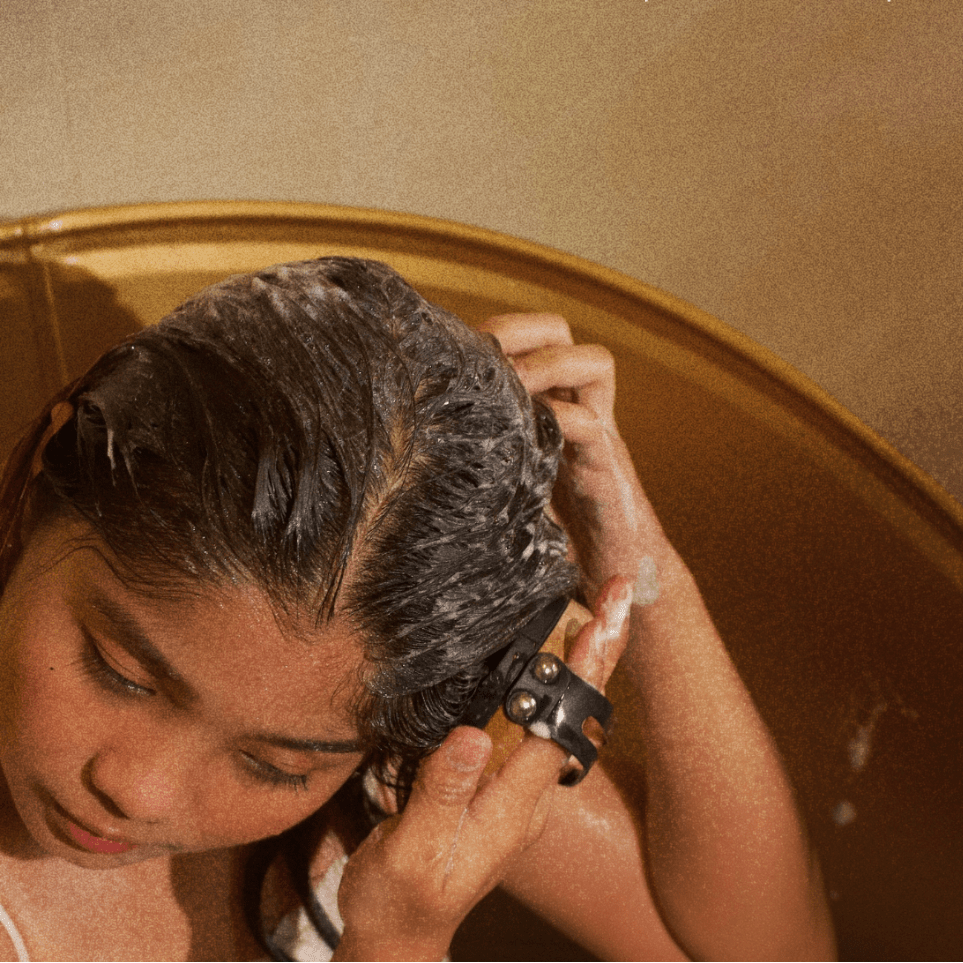
Massage cleanser into the scalp for 30–60 seconds
-
Let water rinse the lengths naturally
-
Avoid oils or heavy conditioners on the scalp
Step 3: Detox Periodically
Once buildup forms, oil traps dirt and yeast.
-
Occasional clarifying (not daily)
-
Gentle scalp massage
-
Proper rinse time
Step 4: Address Internal Triggers
If oil is sudden or excessive:
-
Check stress levels
-
Look at sleep consistency
-
Avoid skipping meals (blood sugar spikes affect oil)
Best routine for oily scalp:
-
Gentle balancing cleanser
-
Scalp-only cleansing technique
-
Avoid stripping shampoos
-
Reduce stress and over-washing
When to Seek Further Help
If oily scalp is paired with:
-
Persistent dandruff
-
Hair thinning
-
Inflammation
It may indicate hormonal or stress-related imbalance, not just oiliness.